

The Cost of Digital Fragmentation: When Great Club Operations Feel Disconnected Online
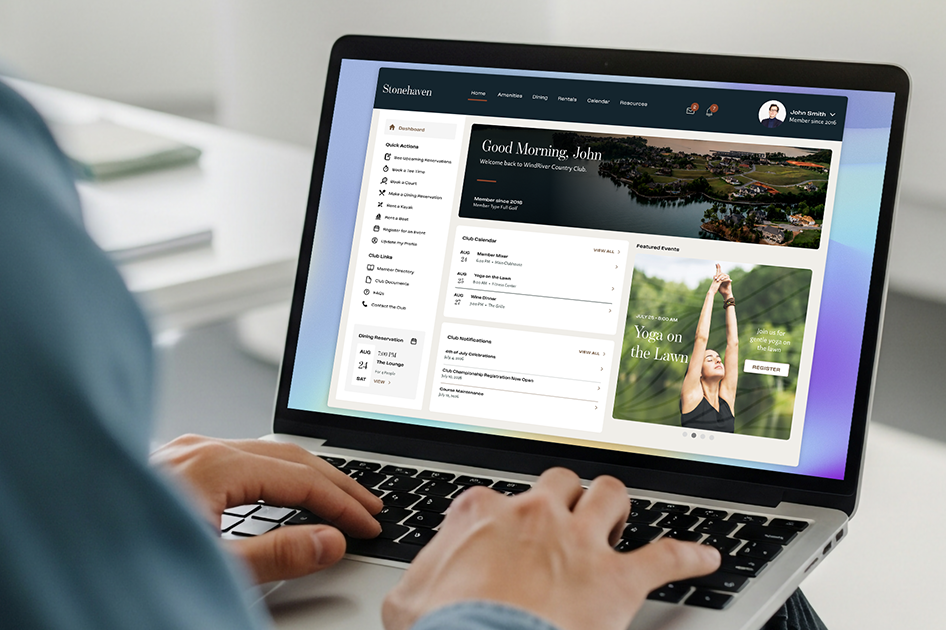
Private clubs have never had more technology at their fingertips. Reservation systems. Member portals. Dining platforms. Event registration tools. Mobile apps. Email marketing software. Online payment systems.
Individually, many of these solutions perform exactly as intended.
Yet from a member's perspective, the experience often feels anything but seamless.
A member clicks a link in your newsletter only to be taken to another platform with a different login. They visit the website looking for event details but discover the information is somewhere else. They make a dining reservation one way, but register for an event another way.
None of these interactions are major problems on their own.
Together, however, they create a digital experience that feels disconnected.
The issue isn't that clubs lack technology. It's that members experience that technology as separate pieces rather than one cohesive journey.
Great Club Operations Can Still Feel Fragmented Online
Most clubs have invested thoughtfully in technology over time. New systems are introduced to solve specific operational challenges: a better reservation platform, a stronger member portal, improved communication tools, or a new event registration system.
Each investment makes sense individually. The challenge emerges when those systems begin operating independently rather than collectively.
Sound familiar?
Members don't think in terms of software vendors or departments. They don't distinguish between the website, the reservation platform, the member portal, or the event registration system.
To them, it's all simply the club.
When those digital experiences feel disconnected, that perception extends beyond the technology itself. It begins to influence how members view the organization behind it.
Members Expect Continuity, Not Complexity
Today's members interact with digital experiences every day that feel intuitive, connected, and consistent.
Whether booking travel, ordering dinner, managing appointments, or shopping online, the experience flows naturally from one step to the next.
Private clubs aren't expected to replicate consumer technology. They are expected to provide consistency.
Members expect:
- Event emails to lead directly to a simple registration process.
- The private club website to contain current and reliable information.
- Dining reservations to feel familiar every time.
- Communications to look and feel consistent across every touchpoint.
Every interaction should feel like part of one connected member experience—not a series of unrelated systems.
The Hidden Cost of Digital Fragmentation
One of the biggest surprises we see is that digital fragmentation rarely creates immediate complaints. Instead, it creates subtle friction that accumulates over time.
Members hesitate because they're unsure where to find information. They abandon online processes and call the club instead. They lose confidence that the website reflects the most current information. And quietly, your staff becomes the bridge between disconnected systems.
That hidden cost shows up every day.
Staff members:
- Resend links.
- Clarify event details.
- Explain reservation processes.
- Answer questions that could have been resolved through a more cohesive digital experience.
The technology itself may be functioning exactly as intended. The member experience, however, isn't.
A Strategic Shift for Club Leaders
As clubs continue investing in digital tools, the question is gradually changing.
It is no longer:
"Do we have the right platforms?"
Instead, the better question is:
"Do our platforms work together to create the experience our members expect?"
That shift changes the conversation.
Digital strategy becomes less about software and more about hospitality. Because every digital interaction either reinforces—or weakens—the same level of service members experience inside the clubhouse. The strongest digital ecosystems aren't built by having the most technology.
They're built intentionally. They connect systems thoughtfully, communicate consistently, and create one seamless experience for members.
Creating a More Connected Member Experience
Improving the member experience doesn't always require replacing your technology.
Often, it starts by stepping back and evaluating how all of your digital touchpoints work together.
At ClubLISI, our Club Communications & Website Assessment helps private clubs identify opportunities to create a more connected digital experience, reduce operational friction, and better support both members and staff.
If you're curious how your club's digital experience compares, or you'd like to see examples of how we've helped other clubs create a more seamless member experience, we'd love to start the conversation. Explore our process, view examples of our work, or schedule a time to talk.