

From Static to Strategic: Rethinking the Private Club Website as a Member Experience Platform
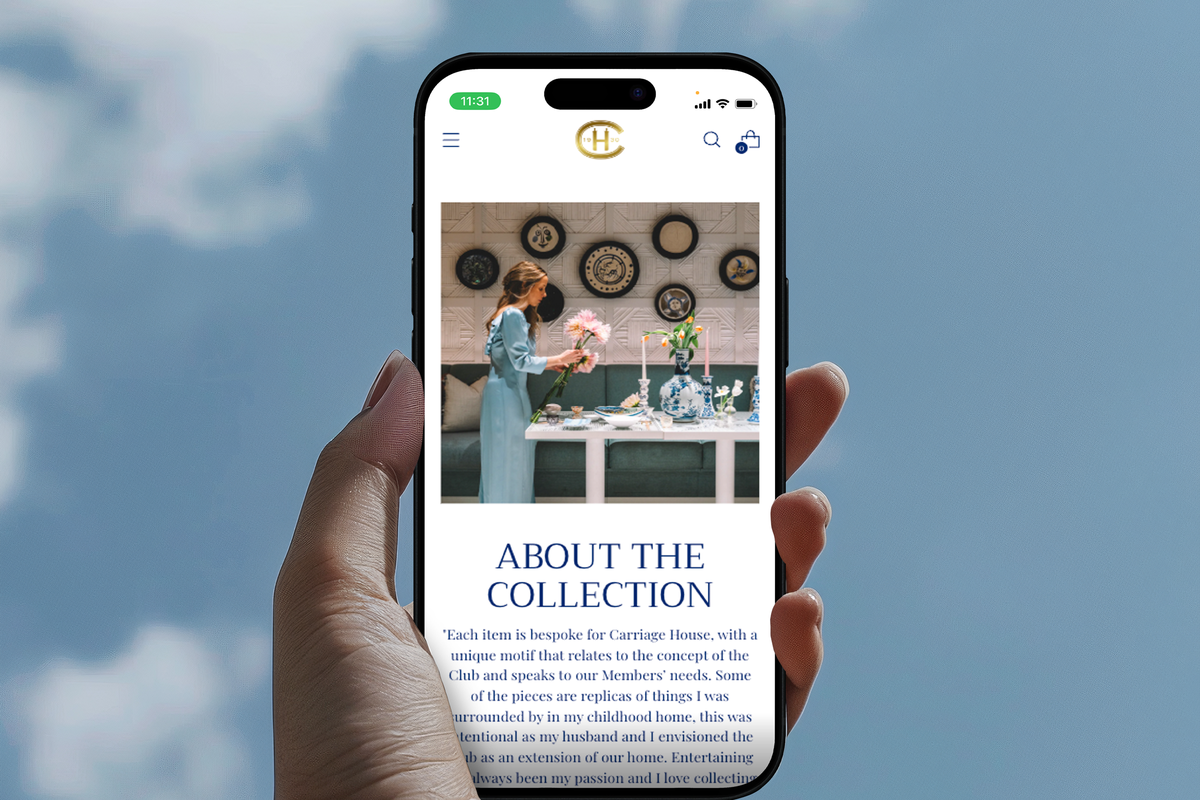
Because while the role of the club has evolved — becoming more experience-driven, more lifestyle-oriented, more member-centric — the website often has not. It remains static in a dynamic environment, operating more like a digital bulletin board than an extension of the club itself.
Forward-thinking clubs are beginning to see this differently.
They are not asking, “Is our private club website up to date?”
They are asking, “Is our private club website actively contributing to the member experience?”
That shift — from static to strategic — is where meaningful opportunity lies.
The Limits of a Static Website
A traditional private club website is built around information. Pages are organized by department. Content is added as needed. Updates are posted periodically. There is nothing inherently wrong with this approach. But it comes with limitations.
Static websites tend to prioritize structure over usability. Members must navigate through layers to find what they need. Important actions — booking a reservation, signing up for an event, checking a calendar — often require multiple steps or transitions between systems.
Over time, content accumulates. Navigation becomes less intuitive. And the experience becomes fragmented, especially on mobile devices, where many members now spend the majority of their time.
From an operational standpoint, this model also places added pressure on staff. When information is difficult to find or actions are not streamlined, members default to reaching out directly. What should be simple, self-service interactions become manual processes.
The result is a website that exists, but does not actively support engagement, efficiency, or experience.
How Member Expectations Are Changing for Private Club Websites
Member expectations have changed, whether explicitly stated or not.
In nearly every aspect of daily life, digital interactions are seamless, immediate, and personalized. Booking a dinner reservation, registering for an event, managing a schedule — these experiences are intuitive and accessible from a single interface.
Private clubs, by nature, deliver a higher standard of service in person. Members expect ease, responsiveness, and attention to detail. Increasingly, they expect that same standard digitally.
This does not mean replicating consumer platforms. It means creating a digital experience that feels aligned with the club’s brand — thoughtful, refined, and effortless to use.
The website is central to that expectation.
From Private Club Website to Member Experience Platform
The most effective clubs are beginning to treat their website not as a repository of information, but as a platform for interaction. This is a subtle but important distinction.
A platform is not defined by how much content it holds, but by what it enables:
- It allows members to complete key actions quickly and confidently
- It surfaces relevant information without requiring extensive navigation
- It connects systems in a way that feels cohesive, not fragmented
- It adapts to how members actually engage — especially on mobile
In this model, the website becomes the central layer that ties together reservations, events, communications, and member services. Rather than directing members elsewhere, it brings the experience together.
What This Looks Like in Practice
This shift does not require a complete reinvention of operations. It begins with rethinking how the website supports everyday interactions.
Reservations and Booking
Members should be able to move from intent to action without friction. Whether booking a tee time, reserving a table, or scheduling a lesson, the experience should feel immediate and intuitive — without unnecessary steps or redirects.
Event Discovery and Participation
Events are a cornerstone of club life, yet participation often depends on visibility and ease of access. A strategic website surfaces upcoming events clearly, provides concise and consistent details, and makes registration effortless.
Personalized Communication
Not every update is relevant to every member. A more thoughtful digital structure allows for targeted, timely communication — ensuring members see what matters most to them, without feeling overwhelmed.
Mobile-First Engagement
For many members, the website is accessed primarily through a phone. A strategic platform is designed with this behavior in mind, ensuring that navigation, content, and actions are optimized for smaller screens.
Integration Behind the Scenes
Perhaps most importantly, a platform approach reduces fragmentation. Systems — whether for reservations, events, or communications — are aligned in a way that feels cohesive to the member and efficient for staff.
The Impact Beyond the Screen
When the website functions as a true experience platform, the benefits extend well beyond digital.
Stronger Member Engagement
When interactions are simple and intuitive, members are more likely to participate — whether in events, dining, or other club offerings.
Improved Staff Efficiency
Reducing friction digitally reduces manual work operationally. Staff can focus less on answering routine questions and more on delivering high-touch service where it matters most.
More Consistent Brand Experience
A well-designed digital experience reinforces the club’s positioning. It reflects the same level of quality, attention, and professionalism that members expect in person.
Better Alignment Across Departments
When the website is structured strategically, communications, operations, and member services become more coordinated. The result is a more unified experience overall.
A Strategic Opportunity
Many clubs assume that improving the website is primarily a design exercise. In reality, it is a strategic one.
It requires stepping back and evaluating how members interact with the club digitally, where friction exists, and how systems and content can better support those interactions.
This is not about adding more features. It is about creating clarity, reducing complexity, and aligning the digital experience with the club’s broader vision.
For some clubs, this begins with a focused assessment — understanding what is working, what is not, and where opportunities exist. For others, it may involve rethinking the structure of the website entirely or exploring how digital concierge services can enhance day-to-day engagement.
The approach may vary. The goal remains consistent: to create a digital experience that feels as intentional as the club itself.
Looking Ahead
The role of the club website is changing, whether acknowledged or not.
What was once a static tool for communication is becoming a central part of how members interact with the club. Those that recognize this shift — and act on it thoughtfully — are better positioned to meet evolving expectations and strengthen long-term engagement.
The question is no longer whether the website works. It’s whether it works strategically.
For clubs beginning to explore this shift, a thoughtful evaluation of the current digital experience can be a valuable first step. Understanding where the website supports the member journey — and where it may be creating friction — often reveals opportunities that are both practical and impactful. Inquire about an assessment here.